Silver COT Positioning Explained as Iran Risk Lifts the Market
Silver COT positioning explained means understanding who holds futures risk — commercials versus speculators — and today's Iran-driven headlines show why that context matters right now.
Analysis written when five or more stories from around the world converge on a single narrative — with the index reading, the measured history, and every source listed.

Silver COT positioning explained means understanding who holds futures risk — commercials versus speculators — and today's Iran-driven headlines show why that context matters right now.

Paper silver moved on oil-driven inflation fears today while physical gold markets in Vietnam showed classic stress signals — a useful lens for judging the physical-versus-paper divide in silver.
Anyone searching for silver demand from EV manufacturing today will find no fresh industrial data behind the move — the price fell 2.08% on a gold-led, geopolitics-driven session instead.

The gold-silver ratio measures how many ounces of silver it takes to buy one ounce of gold, and today's conflicting headlines about it show exactly why the number matters and why it can mislead.

Search interest in green energy transition silver demand is rising, but today's silver price move is being driven by gold, oil and geopolitical risk, not by any fresh industrial-demand headline.

Silver dipped 2.08% today while oil surged past $100 a barrel, and today's headlines reveal a practical answer: how you buy silver can matter as much as when.

Silver earned the nickname 'poor man's gold' because it tracks gold's monetary role at a fraction of the price, and today's central-bank buying wave is testing exactly that link.

Anyone searching for the silver solar demand outlook 2026 today finds a market moved by war headlines and gold safe-haven flows, not fresh solar-sector data.
Mine supply is slow to change and mostly a byproduct of other metals, so when geopolitical fear spikes demand for silver, price absorbs the shock almost entirely on its own.

Silver historically outperforms gold when the gold-silver ratio unwinds from wide levels and risk appetite rises, not when official-sector buying is the dominant driver, as it is today.

As Middle East and Ukraine headlines drive a safe-haven bid into gold and silver, we explain thrifting — the solar industry's practice of cutting silver use per cell — and why it matters more than today's price swing.

A wave of Middle East and Ukraine headlines is pulling silver two ways at once, and the measured record shows why sentiment rarely moves the price in a straight line.

Silver dropped 2.08% today while gold also weakened on rising real yields, illustrating why silver's price swings are consistently larger than gold's for the same macro trigger.

Oil back above $100 and gold slipping below $4,000 on the same day answers the inflation-hedge question better than any slogan: silver's relationship with inflation shocks is real but inconsistent.

Silver fell 2.08% today even as geopolitical headlines pushed gold higher, a reminder that scrap supply and price-elastic recycling flows help set the ceiling investors keep testing.

Silver conducts electricity better than any other metal because its atoms release electrons with the least resistance, a property now colliding with safe-haven buying driven by conflict in Ukraine, Iran and the Middle East.

Silver fell 2.08% today as Middle East tensions escalated and oil topped $100 a barrel, but the measured record of past down-days offers a more precise answer than headlines alone.

Silver rarely tracks inflation directly; it tracks what inflation does to interest-rate expectations and real yields, and today's headlines show that mechanism working against the metal.

Today's headlines mix an oil-driven inflation scare with a fading gold safe-haven bid, and the measured silver record shows no sign of an acute squeeze — just ordinary, well-documented volatility.

Genuine disruption to silver mine supply comes from strikes, export curbs, power shortages or conflict reaching production sites — not from the safe-haven headlines dominating today's feed.

Gold rose on safe-haven buying while silver fell 2.08% on the same day, a split that shows why industrial silver demand vs investment demand rarely move in lockstep.

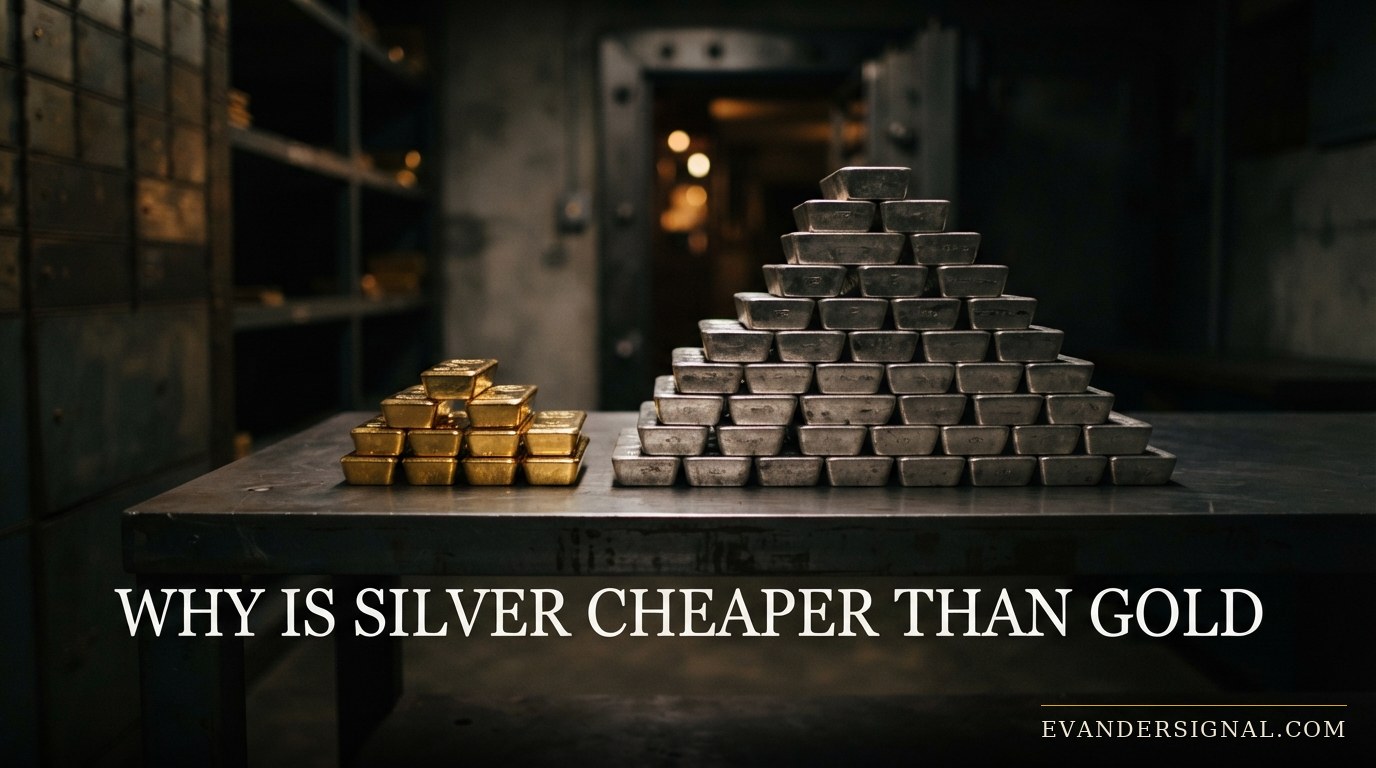
Silver trades far below gold per ounce because it is mined in vastly greater volumes, consumed industrially rather than hoarded, and lacks the central-bank buying now driving gold's reserve demand.

Anyone typing 'solar boom and silver supply shortage' into Google today will find the price move has nothing to do with solar panels — it's geopolitics riding through gold.

Silver news sentiment analysis works by weighing hundreds of stories into a single reading, and today that reading sits at a neutral 5.35 despite a geopolitical narrative that looks mildly bullish on its face.

Silver dropped 2.08% today as rising rate-hike odds and a firmer dollar lifted real yields, the direct channel through which Fed policy moves the metal.

The American Silver Eagle premium is the gap between the spot price and what dealers charge for the physical coin, and today's sharp spot move shows exactly why that gap widens or narrows.

Silver's structural supply deficit is old news; what's new is a fresh geopolitical risk premium layered on top, and the measured record shows what usually follows moves like today's.

Gold jumped on Middle East and Ukraine risk today while silver fell 2.08%, a gap that only makes sense once you separate silver's safe-haven role from its job inside chips, circuit boards and 5G hardware.

The gold-silver ratio trading strategy compares the two metals to gauge relative value, and today's widening ratio, set against fresh central bank gold demand, is being read as a bullish setup for silver.

As war headlines drive gold higher, silver in photovoltaics explained: the metal's dual identity as both safe-haven asset and solar-cell material is why it moves differently to gold.