How Mine Supply Affects the Silver Price Today
Mine supply is slow to change and mostly a byproduct of other metals, so when geopolitical fear spikes demand for silver, price absorbs the shock almost entirely on its own.
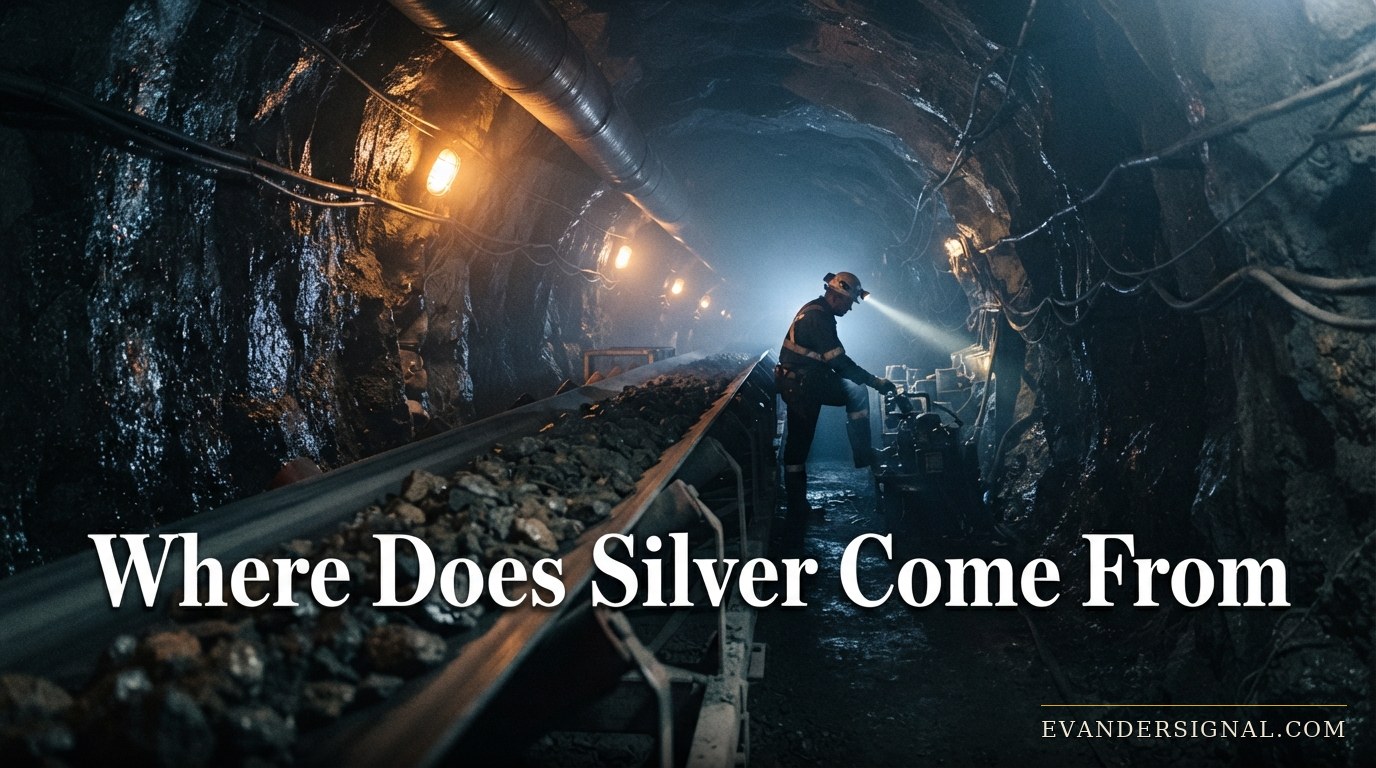
Most silver is a by-product of other mines, led by Mexico and Peru. How supply moves the price.
Mine supply is slow to change and mostly a byproduct of other metals, so when geopolitical fear spikes demand for silver, price absorbs the shock almost entirely on its own.

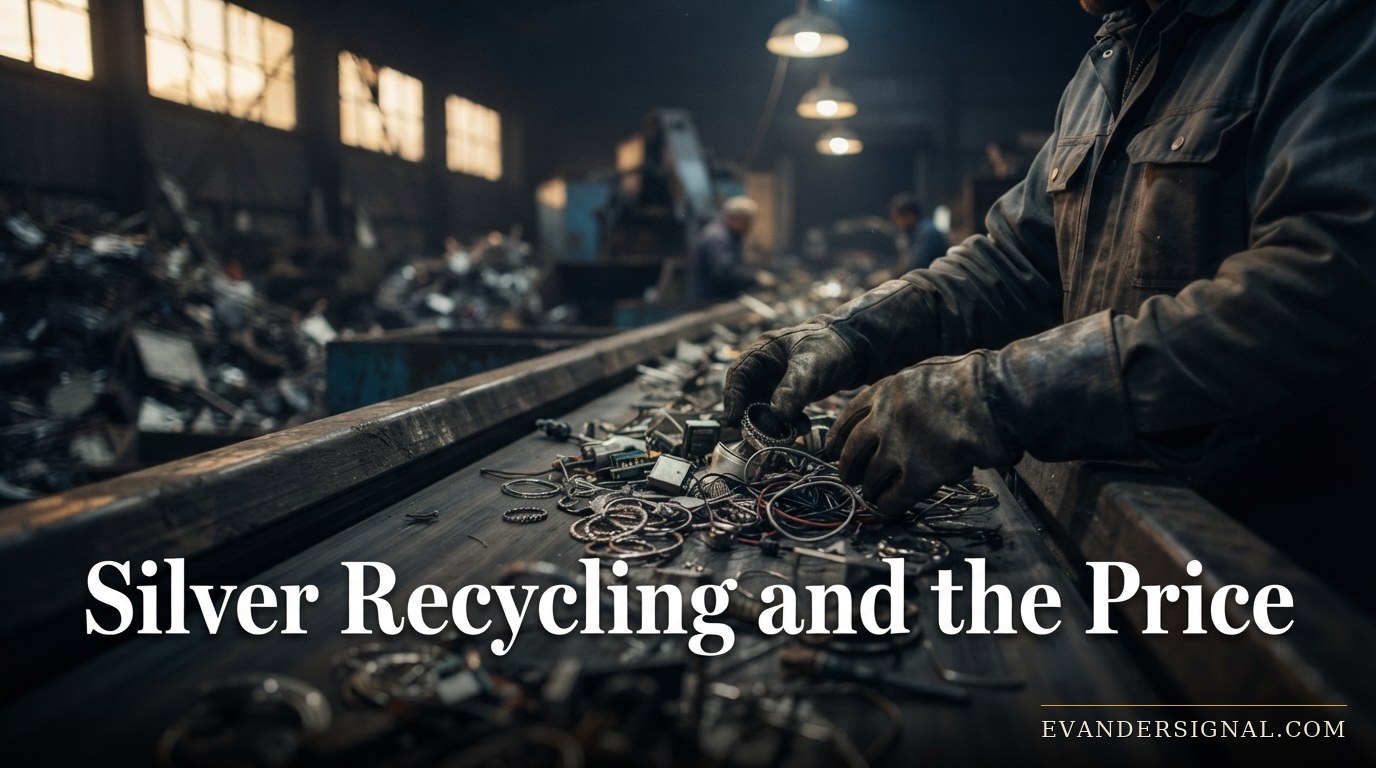
Silver fell 2.08% today even as geopolitical headlines pushed gold higher, a reminder that scrap supply and price-elastic recycling flows help set the ceiling investors keep testing.

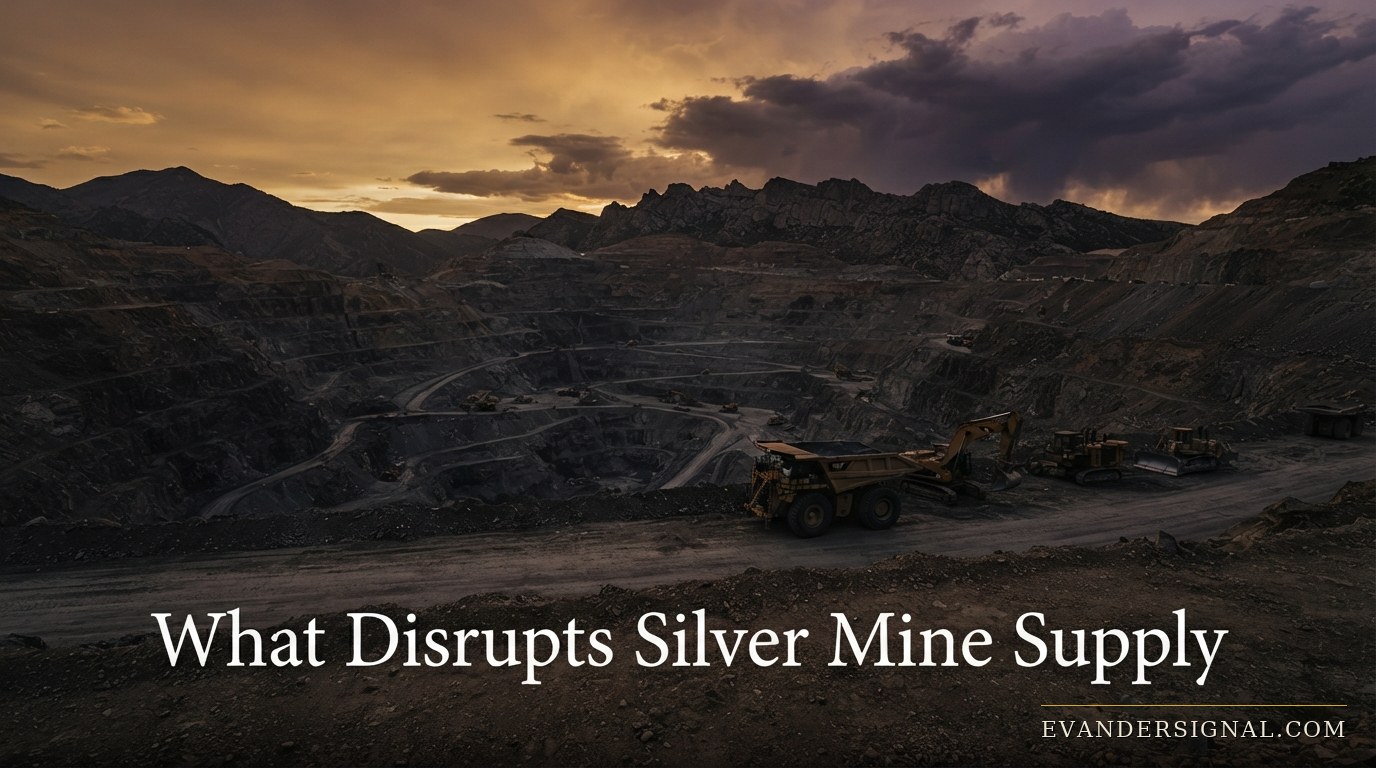
Genuine disruption to silver mine supply comes from strikes, export curbs, power shortages or conflict reaching production sites — not from the safe-haven headlines dominating today's feed.

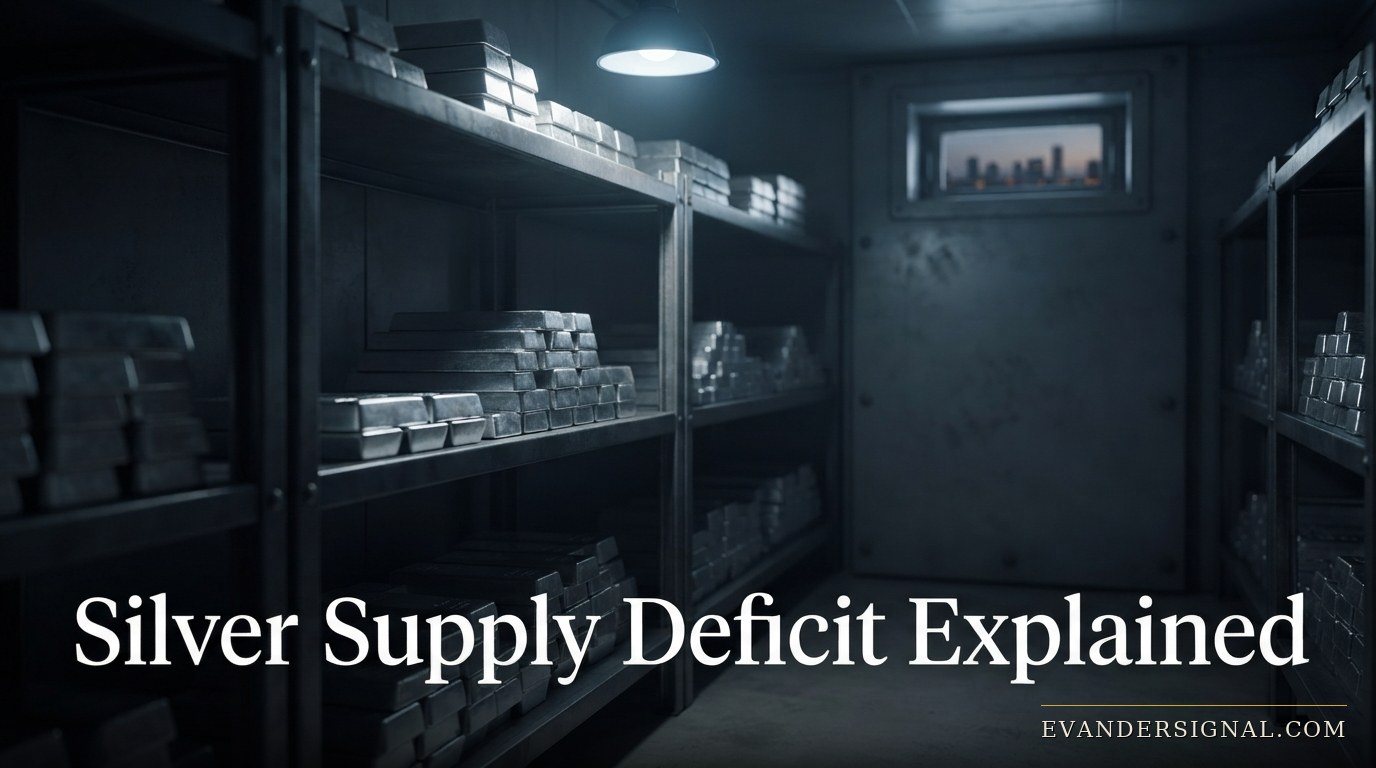
Silver's structural supply deficit is old news; what's new is a fresh geopolitical risk premium layered on top, and the measured record shows what usually follows moves like today's.

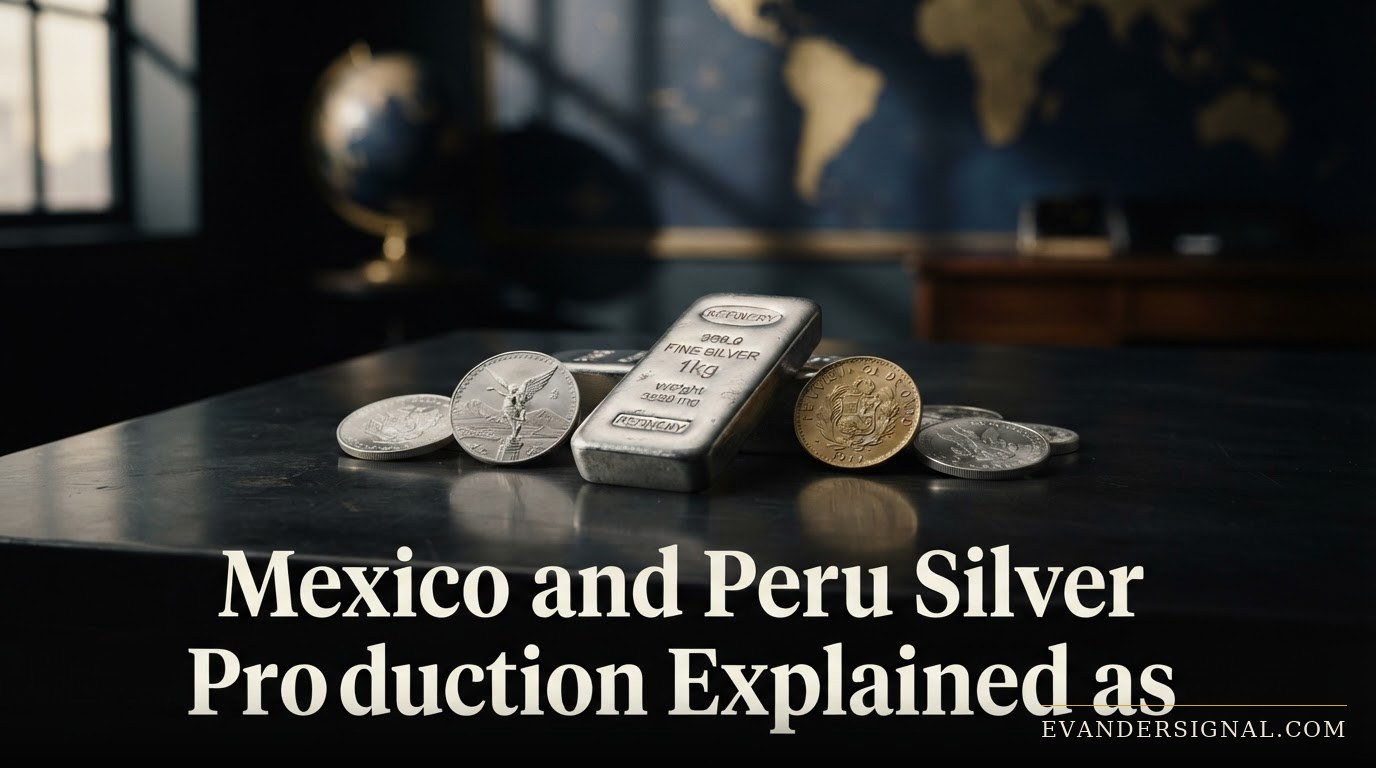
Mexico and Peru mine most of the world's silver, but today's price swing has nothing to do with their output — it's being driven by war headlines and gold's safe-haven bid.

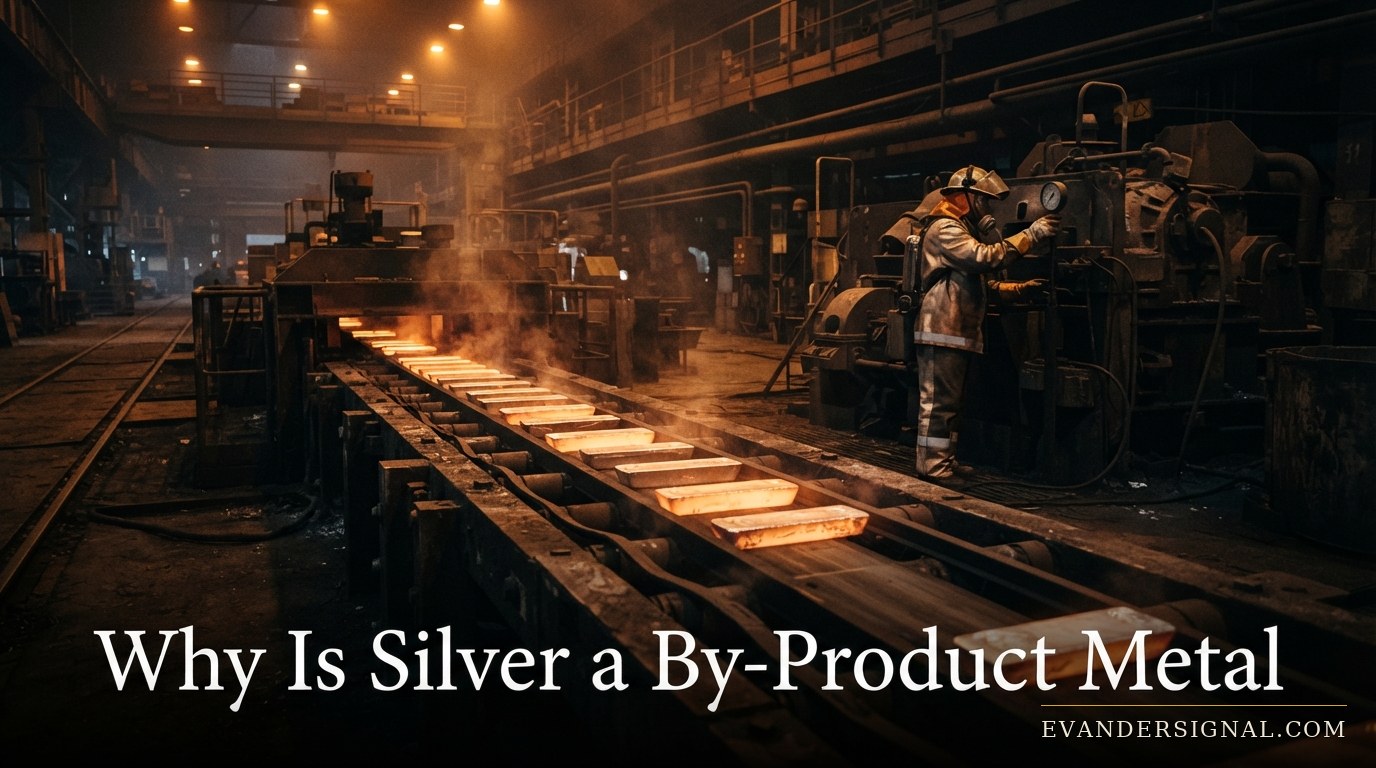
Silver is mostly dug up as a secondary output of lead, zinc, copper and gold mines, so its supply barely responds to price, however sharply demand shifts on days like today.

Silver is dug up mainly as a byproduct of copper, lead, zinc and gold mining rather than mined for its own sake, which is why today's geopolitical shock hit the price without touching a single mine.